Where to See Golden Monkeys in Rwanda: Exploring Volcanoes National Park
Introduction
Rwanda is widely recognised for its remarkable wildlife experiences, particularly mountain gorilla trekking in the Virunga Mountains. However, the country’s natural attractions extend beyond gorillas to include several fascinating primate species, among which golden monkeys are some of the most distinctive. Their golden-orange fur, playful behaviour and energetic movements make them an exciting attraction for wildlife enthusiasts visiting East Africa.
For travellers wondering where to see golden monkeys in Rwanda, Volcanoes National Park is the primary destination. Located in the north-western part of the country, this protected area provides a natural habitat for endangered golden monkeys and offers organised tracking experiences that allow visitors to observe them in the wild.
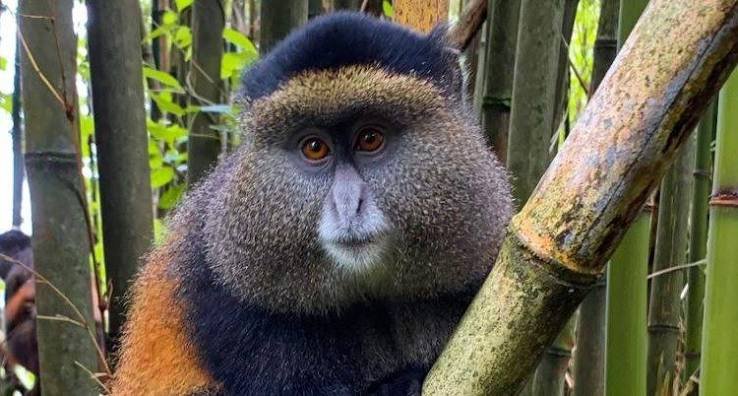
The park is part of the larger Virunga Conservation Area, a biologically important landscape shared by Rwanda, Uganda and the Democratic Republic of Congo. Its bamboo forests, montane vegetation and volcanic terrain create favourable conditions for golden monkeys and numerous other wildlife species.
Unlike traditional savannah safaris, golden monkey tracking involves walking through forest vegetation in search of habituated troops. Visitors are accompanied by experienced guides and park rangers who help locate the monkeys and explain their behaviour and conservation importance.
Whether you are planning a dedicated primate safari or combining several wildlife activities in Rwanda, understanding where golden monkeys live and how to access their habitats is essential. This guide explores Volcanoes National Park, its golden monkey habitats, tracking locations, accessibility and other attractions that make the region worth visiting.
Where Exactly Can You See Golden Monkeys in Rwanda?
The main destination for golden monkey tracking in Rwanda is Volcanoes National Park, located in Musanze District in the country’s Northern Province.
The park forms Rwanda’s section of the Virunga Massif, a chain of volcanic mountains extending across Rwanda, Uganda and the Democratic Republic of Congo. It covers approximately 160 square kilometres and contains five of the eight major Virunga volcanoes.
These mountains include:
- Mount Karisimbi
- Mount Bisoke
- Mount Muhabura
- Mount Gahinga
- Mount Sabyinyo
Golden monkeys inhabit the forested slopes of these mountains, particularly areas covered by bamboo vegetation. The bamboo forests provide food and shelter, making them important habitats for these endangered primates.
Although golden monkeys occur in the wider Virunga region, Volcanoes National Park is the principal location for organised golden monkey tracking experiences in Rwanda.
Visitors usually report to the Kinigi park headquarters before proceeding to the designated tracking areas with their ranger guides.
The Bamboo Forests Around Mount Sabyinyo
One of the most important areas for golden monkey encounters is the bamboo forest around the lower slopes of Mount Sabyinyo.
Mount Sabyinyo is part of the Virunga volcanic chain and lies at the intersection of Rwanda, Uganda and the Democratic Republic of Congo. Its surrounding vegetation provides a suitable environment for golden monkeys.
The bamboo forests are particularly important because golden monkeys feed on bamboo shoots, leaves and other available vegetation. They also use the bamboo plants as resting and movement areas.
Visitors tracking golden monkeys in this area may encounter troops moving between bamboo stems, feeding on fresh shoots or playing within the vegetation.
The dense forest environment also provides opportunities to observe the relationship between the monkeys and their natural habitat.
Golden Monkey Tracking Around Mount Karisimbi
The forested slopes of Mount Karisimbi also form part of the broader golden monkey habitat within the Virunga ecosystem.
Mount Karisimbi is the highest of the Virunga volcanoes, reaching approximately 4,507 metres above sea level. Its slopes contain different vegetation zones that support several wildlife species.
Golden monkeys are associated with the bamboo and montane forest habitats within the mountain ecosystem.
However, visitors should understand that golden monkey tracking is not the same as climbing Mount Karisimbi. The tracking experience follows designated routes and focuses on locating habituated monkey groups rather than reaching the volcanic summit.
The exact location of a troop may change depending on its movements, feeding patterns and environmental conditions.
Why Is Volcanoes National Park Suitable for Golden Monkeys?
Volcanoes National Park provides several environmental conditions that support golden monkey populations.
Bamboo vegetation: Bamboo is an important food source and habitat component for golden monkeys. The forests provide shoots, leaves and other plant materials that form part of their diet.
Mountain climate: The high-altitude environment creates suitable conditions for the montane forests and vegetation on which these primates depend.
Protected habitat: Conservation measures within the national park help protect the forests from uncontrolled exploitation and human disturbance.
Wildlife monitoring: Park authorities and conservation organisations monitor wildlife populations and support activities intended to protect endangered species.
These factors make the park an important destination for visitors interested in observing golden monkeys in their natural environment.
What Makes Golden Monkeys Special?
Golden monkeys are scientifically known as Cercopithecus mitis kandti. They are a distinctive subspecies of blue monkey characterised by golden-orange patches of fur, particularly around their backs and flanks.
They are endemic to the Virunga region, making their natural distribution relatively restricted compared with many other primate species.
Golden monkeys live in social groups and spend much of their time feeding, grooming and moving through forest vegetation.
Their energetic nature makes them particularly exciting to observe. Visitors may see them jumping between bamboo stems, interacting with younger monkeys or searching for food.
Their distinctive appearance also makes them attractive subjects for wildlife photography.
How to Experience Golden Monkey Tracking in Volcanoes National Park
Golden monkey tracking is an organised wildlife activity conducted with the assistance of park rangers and experienced trackers.
The experience generally begins early in the morning at the Kinigi park headquarters.
1. Arrive at Kinigi Park Headquarters
Visitors are normally required to report to the park headquarters by 7:00 am for registration and briefing.
This is where park officials verify permits, organise visitors into groups and provide important information about the tracking activity.
2. Receive Instructions from Park Rangers
Before entering the forest, visitors receive instructions covering safety, wildlife behaviour and conservation guidelines.
The rangers explain how to behave around the monkeys and what visitors should avoid doing during the encounter.
3. Enter the Forest
After the briefing, visitors proceed to the designated starting area and begin walking through the forest.
Experienced trackers help locate the habituated golden monkey groups by following their movements and identifying signs of their presence.
The walking duration varies depending on where the monkeys are located.
4. Observe the Golden Monkeys
Once the troop has been located, visitors are allowed to spend a maximum of one hour observing the animals.
During this period, they can watch the monkeys feed, groom, play and interact with one another.
Photography is permitted, provided visitors follow the instructions of their ranger guides.
5. Return from the Tracking Experience
After the observation period, visitors return through the forest to the starting point.
The experience generally takes a few hours, although the duration depends on the location of the monkeys and the walking conditions.
Other Wildlife Attractions in Volcanoes National Park
Although golden monkeys are an important attraction, Volcanoes National Park offers several other wildlife and nature experiences.
Mountain Gorilla Trekking
Mountain gorilla trekking is the park’s most famous wildlife activity. Visitors enter the forest with experienced guides to locate habituated gorilla families.
The encounter provides an opportunity to observe these endangered primates as they feed, groom, rest and interact with their families.
Golden monkey tracking and gorilla trekking can be combined within the same safari itinerary, although separate permits are required.
Travellers interested in broader primate experiences can explore Rwanda Gorilla Trips when researching safari arrangements.
Bird Watching
Volcanoes National Park is also an important destination for bird enthusiasts.
Its montane forests support several bird species, including Albertine Rift endemics.
Bird watching provides an opportunity to explore the park’s biodiversity beyond its famous primates.
Volcano Hiking
Visitors interested in physical outdoor adventures can explore the volcanic mountains within the park.
Mount Bisoke and Mount Karisimbi are among the popular hiking destinations, offering impressive views of the surrounding Virunga landscape.
These hikes require different levels of preparation and should not be confused with the shorter golden monkey tracking experience.
Dian Fossey Tomb and Karisoke Research Centre
The park is also associated with the conservation legacy of Dian Fossey, whose work contributed significantly to mountain gorilla research and protection.
Visitors can undertake guided hikes to the former Karisoke Research Centre and Dian Fossey’s gravesite.
This experience offers insight into the history of primate conservation in the Virunga Mountains.
How to Get to Volcanoes National Park
Most international visitors travelling to Volcanoes National Park begin their journey in Kigali, Rwanda’s capital city.
Kigali is connected to the park by a road network that passes through Rwanda’s northern countryside towards Musanze.
The journey from Kigali to the Kinigi area generally takes approximately two to three hours by road, depending on traffic and road conditions.
Travellers can access the park through several transport arrangements.
Private safari vehicles: Private vehicles provide flexibility and convenience, particularly for visitors with scheduled tracking activities.
Organised tour transfers: Tour operators can arrange transport between Kigali, accommodation facilities and the park headquarters.
Public transport: Travellers can use public transport to reach Musanze, although additional arrangements may be necessary to reach Kinigi early in the morning.
Because tracking begins early, visitors travelling from Kigali are generally advised to arrive in the Musanze or Kinigi area the previous day.
Where to Stay When Visiting Volcanoes National Park
The Musanze and Kinigi areas provide convenient accommodation options for visitors planning golden monkey tracking.
Accommodation ranges from budget guesthouses to luxury safari lodges, allowing travellers to select facilities according to their preferences and budgets.
Budget accommodation: These facilities provide essential services for travellers seeking affordable overnight stays.
Mid-range accommodation: These lodges generally offer comfortable rooms, meals and additional guest services.
Luxury safari lodges: High-end properties provide premium accommodation, personalised hospitality and additional amenities.
Staying close to Kinigi is particularly convenient because visitors must report early for the morning briefing.
Travellers should reserve accommodation in advance, especially during Rwanda’s busy tourism seasons.
Best Time to Visit Volcanoes National Park for Golden Monkey Tracking
Golden monkey tracking is available throughout the year, but the weather can influence the overall experience.
Rwanda experiences two main dry seasons and two rainy seasons.
June to September
This is the longer dry season and generally offers favourable conditions for forest activities.
Trails are often less muddy, making walking more comfortable.
December to February
The shorter dry season provides another favourable opportunity for golden monkey tracking.
Visitors can enjoy forest exploration with generally more manageable trail conditions.
March to May
This is the long rainy season. Increased rainfall can make forest trails muddy and slippery.
Visitors travelling during this period should carry waterproof clothing and suitable hiking boots.
October to November
The short rainy season can also bring challenging trail conditions, although tracking continues throughout the period.
Ultimately, visitors should prepare for changing mountain weather regardless of their travel dates.
What to Carry for Golden Monkey Tracking
Proper equipment makes forest exploration more comfortable and helps visitors prepare for changing weather conditions.
Recommended items include:
- Waterproof hiking boots with good grip.
- Long trousers and long-sleeved clothing.
- A waterproof jacket or raincoat.
- Drinking water.
- A small backpack.
- A camera with suitable photography settings.
- Gardening or hiking gloves.
- Insect repellent.
- Sunscreen and a hat.
Visitors should avoid carrying unnecessary luggage because the tracking activity involves walking through natural forest terrain.
Hiring a porter can also be helpful for visitors who need assistance carrying their belongings.
Golden Monkey Conservation in Volcanoes National Park
Golden monkeys are classified as endangered, and their survival depends on protecting the habitats within the Virunga region.
Habitat destruction, agricultural expansion, human population pressure and other environmental challenges can affect their survival.
Volcanoes National Park plays an important role in protecting these primates by maintaining their natural habitat and supporting regulated wildlife tourism.
Responsible tourism also contributes to conservation by generating revenue for protected-area management and creating economic opportunities for surrounding communities.
Visitors can support these initiatives by following park regulations, avoiding littering and respecting wildlife during tracking activities.
Frena Adventures recognises the importance of responsible wildlife tourism and encourages visitors to appreciate Rwanda’s natural heritage while respecting the animals and ecosystems that sustain it.
Combining Golden Monkey Tracking with Other Rwanda Experiences
A visit to Volcanoes National Park can be extended into a broader Rwanda safari.
Travellers can combine golden monkey tracking with mountain gorilla trekking, volcano hiking, bird watching and cultural experiences.
A three-day itinerary can provide a convenient way to explore the region.
Day 1: Arrival in Kigali and transfer to Musanze
Arrive in Kigali and travel towards Musanze. Spend the afternoon relaxing or exploring the surrounding area before the following day’s wildlife activity.
Day 2: Mountain Gorilla Trekking
Spend the morning participating in mountain gorilla trekking. Return to your accommodation after the activity and enjoy the rest of the day.
Day 3: Golden Monkey Tracking and Departure
Report to Kinigi early in the morning for golden monkey tracking. After the activity, return to Kigali for departure or continue with another planned destination.
This itinerary can be adjusted depending on permit availability, accommodation arrangements and individual travel schedules.
Travellers with limited time can also consider a one-day golden monkey trekking experience in Rwanda, subject to transport arrangements and activity availability.
Frena Adventures can help travellers explore suitable safari arrangements when planning wildlife experiences in Rwanda.
Frequently Asked Questions About Where to See Golden Monkeys in Rwanda
1. Where exactly can I see golden monkeys in Rwanda?
Golden monkeys can be tracked in Volcanoes National Park in north-western Rwanda. The principal tracking habitat includes bamboo forests around the lower slopes of the Virunga volcanoes, particularly Mount Sabyinyo.
2. Are golden monkeys found only in Volcanoes National Park?
No. Golden monkeys occur across the wider Virunga region, which includes Rwanda, Uganda and the Democratic Republic of Congo. Volcanoes National Park is Rwanda’s main organised tracking destination.
3. Can I see golden monkeys around Mount Sabyinyo?
Yes. The bamboo forests around the lower slopes of Mount Sabyinyo are important golden monkey habitats and are associated with the park’s habituated tracking groups.
4. How far is Volcanoes National Park from Kigali?
Volcanoes National Park is approximately 110 kilometres from Kigali, with the road journey generally taking between two and three hours.
5. Where does golden monkey tracking begin?
Visitors normally report to the Kinigi park headquarters, where registration and the morning briefing take place before proceeding to the tracking area.
6. How long does golden monkey tracking take?
The duration depends on the location of the habituated troop and the walking conditions. Visitors are permitted to spend a maximum of one hour observing the monkeys once they are found.
7. Can I combine golden monkey tracking with gorilla trekking?
Yes. Both activities take place in Volcanoes National Park and can be included in the same Rwanda safari. However, each activity requires its own permit.
8. What is the best time to see golden monkeys in Rwanda?
The dry seasons from June to September and December to February generally offer more favourable hiking conditions. However, tracking is available throughout the year.
9. Are golden monkeys endangered?
Yes. Golden monkeys are classified as endangered, making habitat protection and responsible wildlife tourism important for their long-term survival.
10. Do I need a guide to track golden monkeys?
Yes. Visitors participate in organised tracking activities accompanied by authorised park guides and trackers.
Conclusion
Volcanoes National Park is the main destination for travellers interested in seeing golden monkeys in Rwanda. Its bamboo forests, volcanic slopes and protected montane ecosystems provide a suitable habitat for these endangered primates while creating opportunities for memorable wildlife encounters.
From the bamboo-covered slopes of Mount Sabyinyo to the wider forest landscapes of the Virunga Mountains, the park offers visitors an opportunity to discover Rwanda’s remarkable biodiversity beyond mountain gorillas.
Golden monkey tracking also provides a valuable opportunity to understand the importance of primate conservation and responsible tourism. Whether combined with gorilla trekking or enjoyed as an independent wildlife activity, it is an experience worth including in a Rwanda travel itinerary.
For travellers planning to explore Volcanoes National Park and other wildlife destinations in East Africa, Frena Adventures provides a starting point for discovering rewarding safari experiences and organising memorable journeys.