Best Time for Gorilla Trekking in Rwanda: Seasons, Weather, Prices and Travel Tips
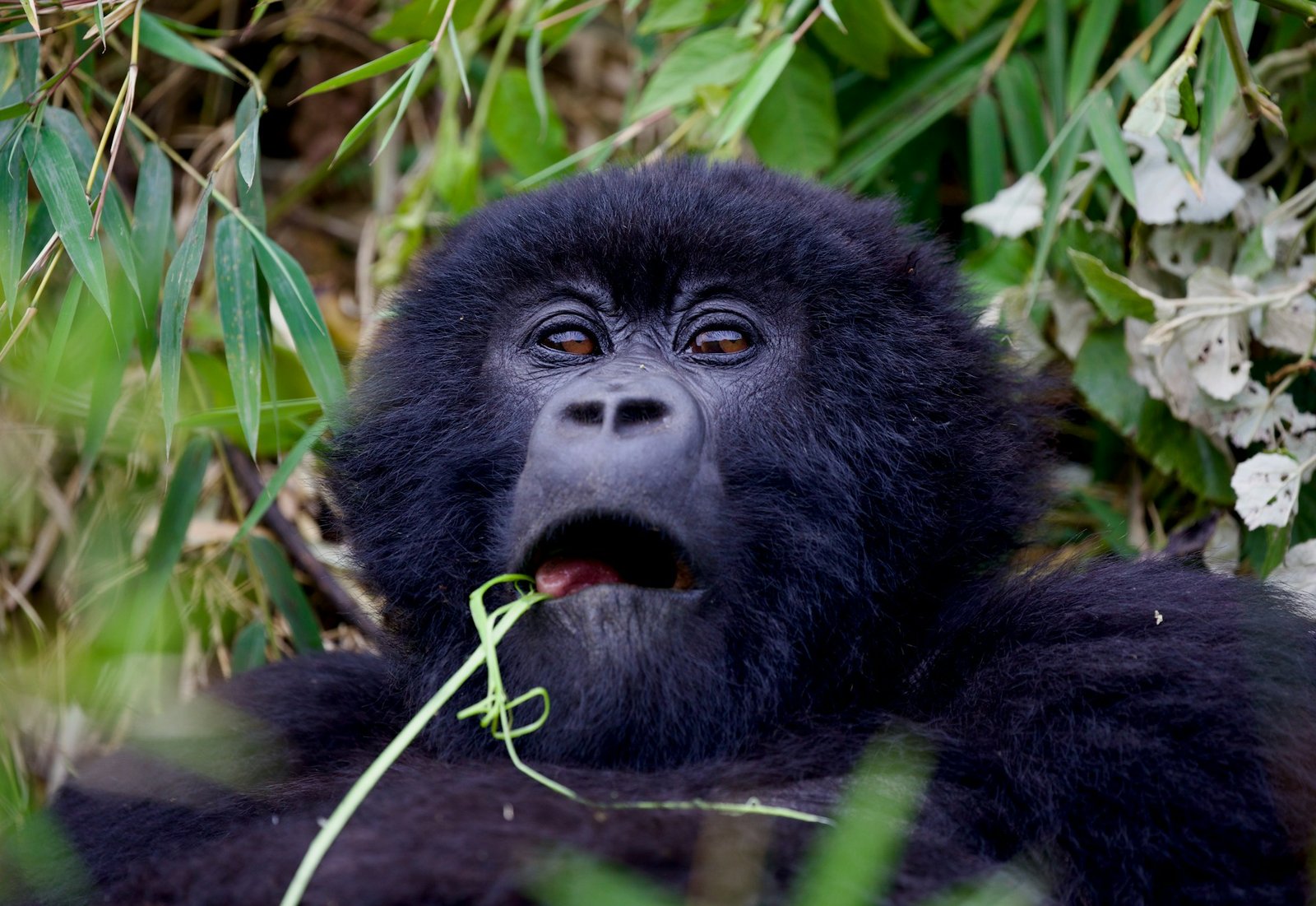
Gorilla trekking in Rwanda is one of Africa’s most extraordinary wildlife experiences. Deep within the mist-covered forests of Volcanoes National Park, visitors have the rare opportunity to encounter endangered mountain gorillas in their natural habitat. From watching a dominant silverback protect his family to observing young gorillas playing among the bamboo vegetation, every encounter offers a remarkable glimpse into the lives of these fascinating primates.
However, choosing the right time to visit can significantly influence your overall trekking experience. Although mountain gorilla trekking takes place throughout the year, seasonal weather conditions affect forest trails, hiking difficulty, visibility, transportation and general travel comfort.
Rwanda experiences two main dry seasons and two rainy seasons. The longer dry season generally runs from June to September, while the shorter dry season occurs between December and February. The rainy periods usually fall between March and May and again between October and November.
Each season offers different advantages. The dry months generally provide more favourable hiking conditions, while the rainy months bring greener landscapes, fewer visitors at certain times and potentially greater flexibility when arranging accommodation.
Understanding these seasonal differences will help you select the most suitable travel period, prepare for the trekking conditions and organise your safari effectively.
At Frena Adventures, we help travellers plan memorable Rwanda gorilla trekking experiences by coordinating permits, accommodation, transportation and personalised safari itineraries. Whether you prefer travelling during the dry season or exploring Rwanda’s beautiful forests during the rainy months, choosing the right travel period is an important first step towards an unforgettable adventure.
What Is the Best Time for Gorilla Trekking in Rwanda?
The best time for gorilla trekking in Rwanda is generally during the dry seasons, particularly from June to September and December to February.
During these months, rainfall is generally lower, forest trails are often less muddy, and hiking conditions are more comfortable. Visitors can navigate the steep volcanic slopes with greater ease while enjoying the beautiful scenery of the Virunga Mountains.
However, dry weather does not guarantee an entirely rain-free trekking experience. Volcanoes National Park lies within a high-altitude tropical environment where rainfall and mist can occur throughout the year.
The two dry seasons offer slightly different advantages:
-
June to September: The main dry season, offering some of the most favourable conditions for mountain gorilla trekking.
-
December to February: The shorter dry season, providing another excellent opportunity to explore the park with generally more manageable trail conditions.
Travellers who prefer fewer crowds, greener landscapes or potentially more flexible travel arrangements may also consider visiting during the rainy seasons.
Accordingly, the best month depends on your travel priorities, physical fitness, budget and preferred trekking conditions.
Rwanda’s Gorilla Trekking Seasons Explained
Rwanda experiences four main seasonal periods that influence tourism activities around Volcanoes National Park.
Understanding these seasons makes it easier to select suitable travel dates and prepare for the conditions you are likely to encounter.
1. The Long Dry Season: June to September
June to September is widely regarded as the best period for gorilla trekking in Rwanda. This is the country’s longer dry season, when rainfall generally decreases and forest trails become relatively easier to navigate.
The improved conditions are particularly beneficial because mountain gorilla trekking involves hiking through dense vegetation, uneven terrain and steep volcanic slopes.
During this period, visitors can enjoy several advantages:
-
Relatively dry and less slippery forest trails.
-
More comfortable conditions for climbing mountainous terrain.
-
Generally favourable conditions for photography.
-
Easier movement through sections of the forest.
-
Good opportunities to combine gorilla trekking with other outdoor activities.
June, July, August and September are also popular international travel months. Consequently, gorilla permits and accommodation can experience considerable demand.
Travellers planning to visit during this period should arrange their permits well in advance.
June: The beginning of the main dry season, with improving trekking conditions. It is also associated with Rwanda’s annual Kwita Izina gorilla naming celebrations, although the ceremony’s exact date varies each year.
July: An excellent month for travellers seeking relatively favourable hiking conditions and an opportunity to explore the Virunga Mountains.
August: Another popular month for gorilla trekking, particularly among international visitors travelling during the northern hemisphere summer holidays.
September: The final month of the longer dry season. It generally provides favourable trekking opportunities before rainfall begins increasing towards the end of the month or during October.
2. The Short Dry Season: December to February
December to February provides another favourable opportunity for gorilla trekking in Rwanda.
Although this dry season is shorter than the June–September period, it generally offers reduced rainfall and more manageable hiking conditions compared with the wetter months.
This period is particularly attractive to travellers planning Christmas holidays, New Year celebrations and extended East African safari experiences.
The main advantages include:
-
Generally drier trekking trails.
-
More comfortable conditions for forest exploration.
-
Opportunities to combine gorilla trekking with Christmas and New Year holidays.
-
Suitable weather for exploring other destinations in Rwanda.
-
Opportunities to combine Rwanda with Uganda and other East African countries.
December: An attractive month for visitors planning festive-season holidays. However, rainfall may still occur, particularly earlier in the month.
January: Generally one of the more favourable months within the shorter dry season. It is suitable for travellers seeking a quieter alternative to the June–September peak period.
February: Another good month for gorilla trekking, although rainfall gradually begins increasing towards the end of the month in some areas.
Travellers considering this period should still carry waterproof clothing because mountain weather can change unexpectedly.
3. The Long Rainy Season: March to May
The combination of rainfall, high altitude and steep terrain can make certain sections of the forest difficult to navigate.
Nevertheless, gorilla trekking continues throughout this period, and visitors can still enjoy remarkable encounters with mountain gorillas.
There are several reasons why some travellers deliberately choose the rainy season:
-
The forest becomes exceptionally green and lush.
-
Rain creates beautiful misty landscapes around the Virunga Mountains.
-
Photography opportunities can be particularly attractive.
-
Some accommodation establishments may offer seasonal promotions.
-
Certain travel periods may experience lower tourist demand.
March: Rainfall generally increases, making forest trails progressively wetter and more slippery.
April: Often one of the wettest months. Visitors should prepare for heavy showers and challenging hiking conditions.
May: Rainfall generally begins decreasing towards the end of the month, creating a transition towards the longer dry season.
For travellers visiting during these months, waterproof hiking boots, rain jackets and appropriate trekking equipment are particularly important.
4. The Short Rainy Season: October to November
Although rainfall is usually less prolonged than during the March–May period, visitors should expect wet forest trails, occasional heavy showers and changing weather conditions.
This season can still provide rewarding wildlife experiences, especially for travellers who appreciate lush vegetation and dramatic mountain scenery.
Its advantages include:
-
Beautiful green forest landscapes.
-
Attractive conditions for nature photography.
-
Opportunities for birdwatching and other nature-based activities.
-
Potentially less competition for some travel services than during the main dry season.
October: Rainfall generally begins increasing, although conditions can vary throughout the month.
November: A wetter month in many parts of Rwanda, with occasional heavy showers affecting hiking conditions.
Travellers should avoid assuming that the short rainy season makes gorilla trekking impossible. The park remains open, and guided tracking continues subject to official park arrangements and safety conditions.
Rwanda Gorilla Trekking Calendar: Month-by-Month Guide
The following table provides a practical overview of the different months and their suitability for gorilla trekking in Volcanoes National Park.
| Month | Season | Trekking conditions |
|---|---|---|
| January | Dry | Excellent |
| February | Dry | Excellent |
| March | Rainy | Challenging |
| April | Rainy | Challenging |
| May | Rainy/transition | Moderate to challenging |
| June | Dry | Excellent |
| July | Dry | Excellent |
| August | Dry | Excellent |
| September | Dry | Very good |
| October | Rainy | Moderate to challenging |
| November | Rainy | Challenging |
| December | Dry/transition | Very good |
These are general seasonal expectations rather than guaranteed daily weather conditions. Rainfall can occur during any month in the Virunga Mountains.
Is Gorilla Trekking Possible During the Rainy Season in Rwanda?
Yes. Gorilla trekking is available throughout the year in Volcanoes National Park, including during the rainy seasons.
Mountain gorillas do not migrate away from the park when rainfall increases. They continue living within their natural forest habitat, feeding, socialising and moving through the vegetation.
However, wet weather can make the trekking experience physically more demanding.
For example, visitors may encounter:
-
Muddy and slippery hiking paths.
-
Steep slopes requiring additional effort.
-
Dense vegetation that makes movement more difficult.
-
Heavy rainfall during the trek.
-
Reduced visibility caused by mist and low clouds.
Despite these challenges, the rainy season has its own attractions. The vegetation becomes lush, the forest takes on a vibrant appearance and photographers can capture beautiful images of the Virunga landscape.
If you are comfortable hiking in wet conditions, visiting between March and May or October and November can still be a rewarding experience.
Which Month Offers the Best Gorilla Trekking Photography Opportunities?
Photography enthusiasts can enjoy mountain gorilla encounters throughout the year. However, different seasons create different photographic conditions.
The dry season, particularly June to September, generally offers more manageable trekking conditions and fewer interruptions from heavy rainfall.
This can make it easier to carry photography equipment through the forest and capture images of gorilla families.
The rainy season, on the other hand, creates dramatic scenery. Mist-covered mountains, wet vegetation and rich green forest backgrounds can produce beautiful wildlife photographs.
-
Use a camera with good low-light performance because forest vegetation can reduce available light.
-
Carry a waterproof camera bag to protect your equipment from rainfall.
-
Avoid using flash photography.
-
Use a suitable zoom lens to capture wildlife without approaching the gorillas.
-
Follow the instructions of your park guide throughout the encounter.
Remember that photography must never interfere with the safety of the gorillas or the official viewing regulations.
Does the Season Affect Rwanda Gorilla Trekking Permit Prices?
The standard international non-resident gorilla trekking permit in Rwanda costs USD 1,500 per person.
The permit price is determined by the visitor’s eligibility category rather than simply by the month in which they travel.
However, Rwanda has offered special low-season arrangements for qualifying visitors under specific conditions.
The Rwanda Development Board’s booking system provides a low-season discount application for eligible visits between November and May. Its published conditions include combining Volcanoes National Park with other Rwandan national parks, such as Akagera or Nyungwe, and meeting specified accommodation and activity requirements.
These arrangements are subject to the applicable terms and availability. Travellers should verify the current offer before making financial commitments.
Visitors should also remember that the permit is only one component of the overall safari budget. Accommodation, transportation, meals, porter services and other activities may require separate payments.
When Should You Book Your Rwanda Gorilla Trekking Permit?
The best time to book your gorilla trekking permit is several months before your intended travel date, particularly if you plan to visit during June, July, August, September or the Christmas holiday period.
Volcanoes National Park operates a controlled trekking system to minimise human disturbance to mountain gorillas.
Consequently, the number of visitors permitted to encounter each habituated gorilla family daily is restricted.
We recommend following these steps:
-
Choose your preferred travel month: Determine whether you would prefer the dry season or rainy season.
-
Check permit availability: Confirm whether permits are available for your intended trekking date.
-
Confirm your eligibility: Identify the correct permit category according to your nationality and residency status.
-
Complete the reservation: Submit accurate passport details and make the required payment through the authorised booking system.
-
Arrange accommodation and transport: Organise your journey to Musanze and Kinigi, where gorilla trekking registration takes place.
You can use the official Rwanda Development Board booking platform:
Frena Adventures can assist travellers with permit arrangements and coordinate the other important elements of their safari to ensure that their chosen travel dates fit the overall itinerary.
What Should You Pack for Gorilla Trekking in Rwanda?
Regardless of the season you choose, proper preparation is essential for a comfortable and safe gorilla trekking experience.
The high-altitude forests of Volcanoes National Park experience unpredictable weather. Even during the dry season, visitors may encounter rainfall, cold temperatures and mist.
We recommend carrying the following essentials:
-
Sturdy hiking boots: Choose waterproof footwear with good ankle support and strong grip.
-
Waterproof jacket: Essential for protection against unexpected rainfall.
-
Long-sleeved shirts: Protect your arms from scratches, insects and stinging vegetation.
-
Long hiking trousers: Provide additional protection when walking through dense forest.
-
Gardening gloves: Useful when holding vegetation for support along difficult trails.
-
Drinking water: Carry sufficient water to remain hydrated throughout the trek.
-
Small backpack: Use it to carry your personal belongings and essential supplies.
-
Camera: Bring a camera with flash disabled for wildlife photography.
-
Insect repellent: Helps protect against insect bites.
-
Personal medication: Carry any medication you may require during the excursion.
During the rainy season, waterproof trousers and gaiters can also be useful.
Porters are available at the park to assist with carrying luggage and navigating difficult sections of the trekking route. Hiring a porter also provides an opportunity to support members of the surrounding communities.
How to Choose the Best Time Based on Your Travel Preferences
Although the dry season is generally considered the best period for gorilla trekking, the ideal travel month depends on what you want from your Rwanda safari.
Here are some recommendations based on different travel preferences.
| Travel preference | Recommended period | Reason |
|---|---|---|
| Easiest trekking conditions | June–September | Generally drier trails |
| Christmas holidays | December | Festive-season travel |
| New Year safari | January | Generally favourable weather |
| Fewer peak-season crowds | January–February | Alternative to the main dry season |
| Green forest photography | March–May | Lush vegetation and dramatic scenery |
| Potential low-season offers | November–May | Certain promotional arrangements may apply |
| Combined East African safari | June–September | Generally favourable outdoor conditions |
If you are travelling with elderly visitors or people who are less comfortable with challenging hikes, the dry season is generally a sensible choice. However, the actual difficulty also depends on the gorilla family allocated to your group and its location on the day of trekking.
For travellers who prioritise photography and dramatic landscapes over easier hiking conditions, the rainy season may be equally attractive.
How to Combine Gorilla Trekking with Other Rwanda Safari Experiences
One advantage of visiting Rwanda is the opportunity to combine mountain gorilla trekking with several other wildlife and nature experiences.
Depending on your available time, you can explore different destinations before or after visiting Volcanoes National Park.
Golden monkey tracking is another exciting primate experience within Volcanoes National Park.
Visitors explore the bamboo forests in search of these colourful and energetic monkeys. The activity is particularly attractive to travellers who want to experience more of the park’s biodiversity.
2. Lake Kivu
Lake Kivu offers a relaxing escape after the physical demands of gorilla trekking.
Visitors can explore lakeside towns such as Rubavu and Karongi, enjoy boat excursions and admire the surrounding hills.
3. Nyungwe National Park
Nyungwe National Park is famous for chimpanzee tracking, forest exploration and its spectacular canopy walkway.
Combining Nyungwe with Volcanoes National Park creates an excellent primate-focused safari.
4. Akagera National Park
Akagera National Park offers a different wildlife experience, with savannah landscapes, lakes and opportunities to see elephants, giraffes, buffaloes, lions and other wildlife.
It is an excellent addition for travellers who want to experience both Rwanda’s mountain forests and traditional African savannah wildlife.
5. Bwindi Impenetrable National Park, Uganda
Travellers can extend their Rwanda holiday into Uganda to visit Bwindi Impenetrable National Park.
Bwindi provides another opportunity to encounter endangered mountain gorillas in their natural habitat. Visitors require a separate Ugandan gorilla trekking permit.
Frena Adventures can organise cross-border safari itineraries connecting Rwanda and Uganda, allowing travellers to experience different destinations within the Virunga and greater East African tourism landscape.
Why Book Your Rwanda Gorilla Trekking Safari with Frena Adventures?
Choosing the right travel season is only one part of planning a successful gorilla trekking holiday. Visitors must also organise permits, accommodation, transportation and other safari activities.
Frena Adventures helps travellers coordinate these arrangements according to their preferred travel dates, budgets and interests.
When organising your Rwanda gorilla trekking safari, we can assist with:
-
Gorilla trekking permit availability checks and booking arrangements.
-
Private transfers from Kigali International Airport.
-
Transportation to Musanze and Volcanoes National Park.
-
Accommodation selection near the park.
-
Golden monkey tracking arrangements.
-
Rwanda wildlife and cultural experiences.
-
Rwanda and Uganda combined gorilla trekking safaris.
-
Personalised multi-day East African safari itineraries.
Whether you prefer the dry season’s favourable hiking conditions or the beautiful green landscapes of the rainy months, Frena Adventures can help you organise a safari that matches your expectations.
Our goal is to make your journey easier by coordinating the important arrangements before you arrive in Rwanda.
Frequently Asked Questions About the Best Time for Gorilla Trekking in Rwanda
1. What is the best month for gorilla trekking in Rwanda?
July and August are among the best months because they fall within Rwanda’s longer dry season. During this period, rainfall generally decreases, making forest trails easier to navigate.
January and February are also excellent alternatives.
2. Can you go gorilla trekking in Rwanda throughout the year?
Yes. Volcanoes National Park offers gorilla trekking throughout the year. However, weather conditions vary between seasons, and visitors should prepare for occasional rainfall even during the dry months.
3. Is June a good month for gorilla trekking in Rwanda?
Yes. June marks the beginning of the longer dry season and generally offers favourable trekking conditions. It is an excellent month for visitors who want to avoid some of the wetter conditions experienced earlier in the year.
4. Is December a good time to see gorillas in Rwanda?
Yes. December falls within the transition into the shorter dry season. It is particularly attractive for visitors planning Christmas and New Year holidays, although rainfall can still occur.
5. Is gorilla trekking better during the dry or rainy season?
The dry season is generally better for comfortable hiking because trails are less muddy and slippery. However, the rainy season offers beautiful green landscapes and can be attractive to wildlife photographers.
6. Does it rain during gorilla trekking in Rwanda?
Yes. Rainfall can occur throughout the year because Volcanoes National Park is located in a high-altitude tropical environment. Visitors should always carry waterproof clothing.
7. Are gorilla trekking permits cheaper during the rainy season?
Not automatically. Standard permit prices depend on visitor eligibility. However, Rwanda has offered qualifying low-season promotional arrangements, including specific combined-national-park packages between November and May. Always confirm the current conditions with the Rwanda Development Board.
8. How many days should I spend on a Rwanda gorilla trekking safari?
A two- or three-day safari is suitable for many visitors interested primarily in gorilla trekking. Longer itineraries allow you to explore Lake Kivu, Nyungwe National Park, Akagera National Park and other destinations.
9. What is the coldest month for gorilla trekking in Rwanda?
Temperatures around Volcanoes National Park are influenced more by altitude and changing weather than by major seasonal temperature differences. Early mornings and higher elevations can be particularly cold, so warm clothing is recommended.
10. Should I book my gorilla trekking permit before choosing accommodation?
It is advisable to check and secure your gorilla permit first, especially during busy travel periods. You can then arrange accommodation and transportation around your confirmed trekking date.
Book Your Rwanda Gorilla Trekking Safari with Frena Adventures
A gorilla trekking adventure in Rwanda offers an extraordinary opportunity to experience one of the world’s most fascinating wildlife encounters.
Whether you choose the dry months of June to September, the shorter dry season between December and February or the greener rainy months, Volcanoes National Park promises a memorable journey into the natural habitat of endangered mountain gorillas.
Understanding the seasonal differences allows you to select suitable travel dates, prepare for the hiking conditions and organise your safari more effectively.
Contact our team today to check gorilla permit availability, receive a personalised safari quotation and begin planning your Rwanda gorilla trekking adventure.
Start planning your mountain gorilla encounter and experience the extraordinary beauty of Rwanda’s Virunga Mountains.