How Difficult Is Gorilla Trekking in Volcanoes National Park? 7 Essential Facts for an Amazing Adventure
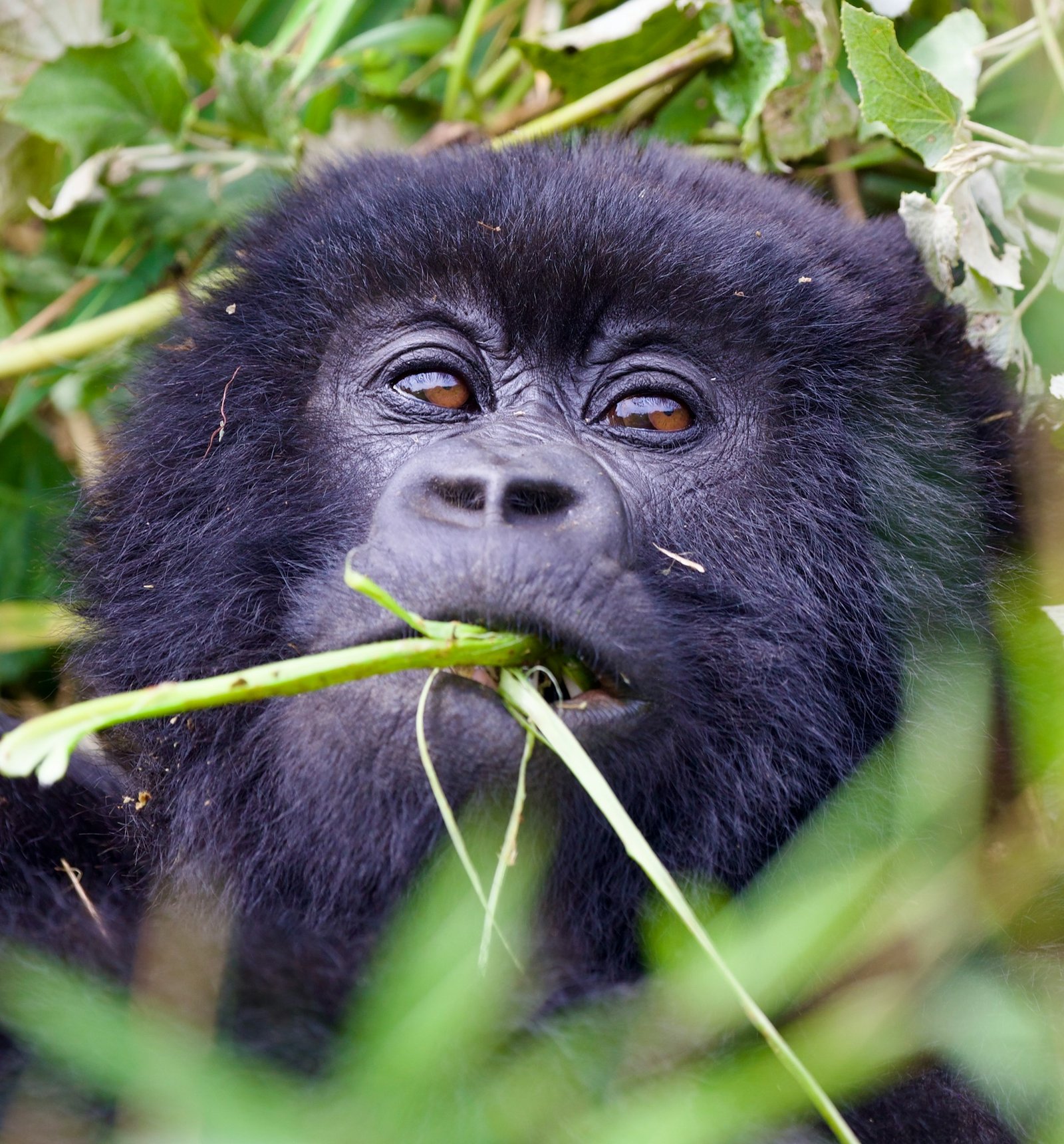
Gorilla trekking in Rwanda is one of Africa’s most memorable wildlife experiences. Deep within the forests of Volcanoes National Park, visitors hike through bamboo vegetation, thick undergrowth and mountainous terrain in search of endangered mountain gorillas. The opportunity to observe these magnificent primates in their natural habitat is extraordinary, but reaching them requires physical effort, patience and preparation.
One of the most common questions travellers ask before booking this experience is: how difficult is gorilla trekking in Volcanoes National Park?
The honest answer is that the difficulty varies. Some treks are relatively short and manageable, while others involve several hours of hiking across steep slopes, muddy trails and dense vegetation. The location of the gorilla family on the day of your trek is one of the biggest factors determining how demanding the experience will be.
Volcanoes National Park is part of the Virunga Mountains, a volcanic mountain range characterised by high elevations, steep terrain and changing weather conditions. Even visitors who exercise regularly may find the combination of altitude, uneven ground and prolonged walking challenging.
However, gorilla trekking is not reserved for professional hikers or extremely athletic people. Visitors with ordinary levels of fitness can participate, provided they prepare appropriately, communicate their needs to the park authorities and follow their guides’ instructions.
This guide explains the physical demands of gorilla trekking, the terrain you may encounter, how fitness and altitude affect the experience, and what you can do to make your hike more comfortable. It also explores the factors that determine whether you have a relatively easy trek or a much more demanding adventure.
What Makes Gorilla Trekking Physically Challenging?
Gorilla trekking is different from walking along a clearly marked nature trail. The activity takes place in a natural forest environment where vegetation, slopes and ground conditions can change considerably.
You are not simply walking a fixed distance. You are following experienced trackers and guides who locate a particular gorilla family and lead your trekking group towards it. The gorillas move freely through the forest, so the route and duration depend partly on where they have travelled.
Several factors contribute to the difficulty:
-
Mountainous terrain: The park contains steep slopes and uneven volcanic landscapes.
-
High altitude: Much of the trekking takes place at elevations where some visitors may become breathless more quickly.
-
Thick vegetation: Bamboo, shrubs, vines and other plants can make movement slower.
-
Muddy trails: Rain can make paths slippery, especially on steep sections.
-
Unpredictable trekking distances: The gorilla family’s location determines how far you need to walk.
-
Changing weather: Rain, mist and cooler temperatures can affect comfort and visibility.
Understanding these conditions helps visitors prepare realistic expectations. The trek is an adventure through a natural habitat, not a conventional walk through a maintained park.
How Difficult Is Gorilla Trekking in Volcanoes National Park? The Honest Answer
For most reasonably healthy adults, gorilla trekking in Volcanoes National Park is moderately challenging, with the possibility of becoming strenuous. You do not need to be an athlete, but you should be comfortable walking for extended periods, climbing slopes and moving across uneven ground.
Some visitors reach their assigned gorilla family after a relatively short walk. Others spend several hours hiking through difficult terrain before finding the animals. Trekking information published for the park describes journeys that can last several hours, with some taking most of the day.
Volcanoes National Park Rwanda+2
The important distinction is that gorilla trekking is not a technical mountain-climbing expedition. You generally do not need specialist climbing skills, ropes or mountaineering equipment. However, the natural environment can make ordinary walking surprisingly demanding.
The best way to approach the experience is to prepare for a challenging hike while remaining flexible about what the day brings.
1. How Long Does Gorilla Trekking Take?
The duration of a gorilla trek is one of the biggest factors influencing its difficulty.
Mountain gorillas move freely through the forest in search of food, resting places and suitable vegetation. Trackers locate the gorilla families early in the morning and communicate their positions to the trekking teams. Your group then follows the information available to reach its assigned family.
This means that there is no single fixed trekking distance or duration.
| Trek duration | General experience | Physical demand |
|---|---|---|
| Under 1 hour | Relatively short approach to the gorilla family | Easy to moderate |
| 1–2 hours | A manageable hike with some challenging sections possible | Moderate |
| 2–4 hours | Extended walking across uneven and sometimes steep ground | Moderate to challenging |
| 4–6 hours or longer | A demanding trek that may involve significant climbing | Challenging to strenuous |
These are illustrative planning categories, not guaranteed trekking times. Terrain, elevation gain, weather and individual fitness can make even a shorter trek difficult. Some published park guidance notes that treks may extend to around eight hours in exceptional circumstances.
Volcanoes National Park Rwanda+1
Remember that the walking time is separate from the time spent observing the gorillas. Once your group reaches its assigned family, the permitted viewing period is normally one hour.
You should therefore prepare for a substantial outdoor activity rather than assuming that the experience will involve only a short walk.
Why You Cannot Know Your Trekking Distance in Advance
Unlike a conventional hiking trail, gorilla trekking does not follow a fixed route with a guaranteed destination distance.
A gorilla family may spend one night near the forest boundary and another much deeper in the vegetation. Its movement determines where trackers find it and how far your group must travel.
The trekking team can use information from the trackers, but the final conditions remain dependent on the gorillas’ movements and the terrain.
This uncertainty is part of what makes gorilla trekking special. You are entering the natural habitat of wild animals, not visiting an enclosure where their location is controlled.
The Main Factors That Make Gorilla Trekking Difficult in Volcanoes National Park
There are several reasons why visitors experience different levels of difficulty. Understanding them helps you prepare for the physical demands of the hike.
2. Steep and Uneven Mountain Terrain
Volcanoes National Park lies within the Virunga Mountains, a region characterised by volcanic peaks, steep slopes and high-altitude vegetation.
The landscape is beautiful, but it can be physically demanding. Depending on the location of your assigned gorilla family, you may need to walk uphill for extended periods, cross uneven ground or navigate sections where there is no clearly defined trail.
Some areas have relatively gentle slopes, while others require considerably more effort. You may find yourself stepping over roots, negotiating rocks or carefully moving across muddy ground.
The most demanding sections often occur when the route climbs towards higher forest areas. Walking uphill repeatedly can tire your legs, especially if you are not accustomed to hiking.
Descending can also be difficult. Slippery ground and steep slopes require concentration, balance and appropriate footwear.
What Makes the Terrain Challenging?
-
Uphill walking: Continuous climbing places extra demands on your leg muscles and cardiovascular endurance.
-
Uneven surfaces: Roots, stones and natural obstacles require careful foot placement.
-
Thick vegetation: Plants can obstruct movement and make the route less straightforward.
-
Steep descents: Going downhill on wet ground can be harder than expected.
-
Changing trail conditions: A route that feels manageable in dry weather may become much more difficult after rainfall.
Visitors should not expect a smooth walking path throughout the trek. The experience takes place in a natural forest environment, where guides and trackers may need to navigate through vegetation.
3. High Altitude and Reduced Oxygen
Altitude is another important reason why gorilla trekking can feel difficult, even for visitors who are physically active.
Volcanoes National Park is located in a mountainous region where trekking takes place at elevations of approximately 2,500 metres and above, depending on the route. Some treks reach considerably higher ground.
At higher elevations, the amount of oxygen available with each breath is lower than at sea level. Your body may respond by increasing your breathing and heart rate, particularly when you are walking uphill.
You might notice:
-
Becoming breathless more quickly than usual.
-
Feeling tired after climbing a relatively short slope.
-
Needing more frequent breaks.
-
Experiencing a faster heartbeat during physical activity.
-
Taking longer to recover after strenuous sections.
Altitude affects people differently. Someone who regularly exercises at low elevation may still find a high-altitude hike difficult.
For this reason, it is sensible to spend some time in Rwanda before trekking, especially if you are arriving from a low-altitude destination. Gradually adjusting to the elevation may make the experience more comfortable.
Can Altitude Sickness Affect Gorilla Trekkers?
Altitude-related illness is a possibility in mountainous environments, although not everyone experiences it.
Headaches, nausea, dizziness and unusual fatigue can be warning signs of altitude sickness. Do not assume that these symptoms are simply normal hiking exhaustion.
If you have a medical condition that could be affected by altitude or strenuous exercise, consult a healthcare professional before your trip. Inform your tour operator and trekking guides about any relevant limitations.
If you begin feeling unwell during the trek, tell your guide immediately. Do not attempt to push through serious symptoms just to reach the gorillas.
4. Mud, Rain and Changing Weather Conditions
Weather can make a significant difference to the difficulty of gorilla trekking.
The mountainous environment around the Virunga volcanoes experiences changing conditions. Rain may arrive unexpectedly, and forest paths can become slippery even when the morning begins with pleasant weather.
Mud is particularly challenging on slopes. Your boots may sink into soft ground, and maintaining balance can require additional effort. Descending becomes especially demanding because your feet may slide on wet soil.
Rain can also reduce visibility and make it harder to move comfortably through vegetation.
You should therefore prepare for wet conditions regardless of the season.
Useful equipment includes:
-
Waterproof hiking boots with good ankle support.
-
A lightweight waterproof jacket.
-
Waterproof trousers or suitable hiking trousers.
-
Gardening or hiking gloves for protection against vegetation.
-
Gaiters to reduce mud entering your boots.
-
A small waterproof cover for your backpack.
Good preparation will not eliminate the difficulty, but it can make the hike considerably more comfortable.
5. Thick Vegetation and Forest Obstacles
Another challenge is the vegetation itself.
The forest contains bamboo, shrubs, vines, grasses and other plant species that may make movement difficult. Depending on the location of your gorilla family, guides and trackers may need to lead the group through sections of dense vegetation.
You may encounter plants that scratch your skin, branches that obstruct your path and vegetation that makes it difficult to see the ground clearly.
Some plants, including stinging nettles, can cause skin irritation when touched. This is one reason gloves and long trousers are useful.
Your guide will lead the group and help identify the safest way forward. Avoid wandering away from the group or attempting to create your own route through the forest.
6. Your Personal Fitness Level
Your fitness level plays an important role in determining how difficult the trek feels.
You do not need to be a professional athlete, but a reasonable level of physical fitness makes the experience easier. Being able to walk for several hours, climb stairs and handle uneven ground will help you manage the demands of the forest.
People who spend most of their time sitting may find the hike more challenging, particularly when it involves extended uphill walking.
However, being extremely fit does not guarantee an easy trek. Altitude, weather and the location of the gorillas can affect even experienced hikers.
A moderate level of preparation is therefore more useful than assuming that physical strength alone will determine your experience.
7. The Trekking Group and Assigned Gorilla Family
Your assigned gorilla family can influence how demanding the day becomes.
Park staff organise trekking groups according to the available gorilla families and other practical considerations. Visitors may communicate their physical abilities and preferences during the morning arrangements, although the final allocation depends on park operations and availability.
If you have limited mobility or are concerned about your fitness, explain this before the trek begins. Do not exaggerate your abilities simply because you want to join a particular group.
A suitable assignment can make a significant difference to your experience.
Can Beginners Go Gorilla Trekking?
Yes. Beginners can participate in gorilla trekking even if they have never completed a major hike before.
The important thing is to be realistic about your physical abilities. If you are inexperienced, begin preparing several weeks before your visit. Regular walking, stair climbing and gentle uphill exercises can help improve your stamina.
You should also inform your trekking organisers that you are a beginner. This allows them to consider your needs when making the arrangements.
How to Make Gorilla Trekking Easier in Volcanoes National Park
Although you cannot control the gorillas’ movements or the weather, there are several ways to make your experience more manageable.
8. Hire a Porter for Physical Assistance
Hiring a porter is one of the most useful ways to reduce the physical demands of gorilla trekking.
Porters are local community members who assist visitors during the hike. Their primary responsibility is carrying your backpack and other personal belongings, but many can also offer support on difficult sections of the trail.
For example, a porter may help you maintain your balance when negotiating a steep or slippery slope. Some can offer a hand when you are climbing over obstacles or navigating muddy ground.
Hiring a porter provides two important benefits:
-
It makes your trek more comfortable: You do not have to carry your backpack throughout the hike, leaving you with more energy for walking.
-
It supports local communities: The payment provides income to people living around the park, creating an economic connection between tourism and conservation.
Porter fees and arrangements should be confirmed at the time of your visit. You can normally arrange a porter at the trekking starting point.
Even if you consider yourself physically fit, hiring a porter is worth considering. The support can be particularly valuable when the trail becomes difficult.
9. Use a Walking Stick
Walking sticks can help improve balance and stability, particularly on steep or muddy sections.
They are useful when climbing because they provide another point of support. During descents, they can help you maintain balance and reduce the pressure on your knees.
You can enquire about hiring or obtaining a walking stick at the trekking starting point.
Learn how to use it before entering the more difficult sections of the forest. Avoid relying on it as your only source of support, particularly where the ground is unstable.
10. Take Regular Rest Breaks
Gorilla trekking is not a race. You should maintain a pace that allows you to complete the hike without exhausting yourself unnecessarily.
Your guide will generally manage the group’s pace and can allow breaks when needed. Use these opportunities to catch your breath, drink water and recover.
Do not feel pressured to keep up with the fastest person in your group. Walking steadily is usually more effective than moving too quickly and becoming exhausted.
If you experience unusual breathlessness, dizziness or significant discomfort, communicate with your guide.
11. Prepare Your Body Before the Trek
Physical preparation can make a noticeable difference, especially if you have several weeks before your visit.
You do not need an expensive gym membership or a complicated training programme. Focus on activities that develop stamina, leg strength and balance.
A useful preparation routine includes:
-
Walking for 30–60 minutes several times a week.
-
Gradually increasing the distance you can comfortably walk.
-
Climbing stairs to strengthen your legs.
-
Walking on gentle hills where possible.
-
Practising on uneven ground using appropriate footwear.
-
Performing simple leg-strengthening exercises.
If you already exercise regularly, you may only need to adjust your routine to include more walking and uphill activity.
Avoid beginning an intense exercise programme immediately before your trip. Build your fitness gradually and allow enough time for recovery.
12. Wear the Right Trekking Clothes and Footwear
The clothes and footwear you choose can influence how comfortable you feel throughout the hike.
Waterproof hiking boots with ankle support and a good grip are particularly important. They help you maintain stability on muddy slopes and uneven ground.
Long trousers protect your legs from scratches and irritating vegetation. Gloves are useful when you need to hold vegetation for balance or move through sections containing stinging plants.
Your clothing should be practical rather than fashionable. The aim is to remain comfortable, protected and prepared for changing weather.
A suitable packing list includes:
| Item | Why it is important |
|---|---|
| Waterproof hiking boots | Improve grip and protect your feet |
| Long hiking trousers | Protect your legs from vegetation |
| Waterproof jacket | Protects against rain |
| Gardening gloves | Protect your hands from scratches and nettles |
| Gaiters | Help keep mud and vegetation out of your boots |
| Walking stick | Improves balance on difficult terrain |
| Drinking water | Helps you remain hydrated |
| Small backpack | Carries essential personal items |
| Lightweight snacks | Useful before or after the trek, subject to park rules |
Break in your hiking boots before travelling. Wearing brand-new boots for the first time during a long trek can cause blisters and unnecessary discomfort.
Is Gorilla Trekking Suitable for Older Visitors?
Age alone does not determine whether someone can participate in gorilla trekking.
Older travellers who are physically capable of completing the hike can enjoy the experience. However, mobility, stamina, balance and general health are more important considerations than age.
Some older visitors may find the terrain challenging, especially when it involves steep slopes and prolonged walking. Others may be comfortable with the same conditions because they regularly exercise and hike.
If you are an older traveller, consider the following:
-
Consult your doctor if you have concerns about strenuous activity or altitude.
-
Request consideration for a less demanding trek.
-
Hire a porter for additional support.
-
Use a walking stick where appropriate.
-
Allow time to rest before the trekking day.
-
Be honest about your physical limitations during registration.
There is no reason to assume that you must be young to enjoy this experience. The key is choosing an arrangement that matches your abilities and approaching the trek responsibly.
Can People With Limited Mobility Participate?
Visitors with limited mobility should discuss their needs with their tour operator and the relevant park authorities well before the trekking date.
The terrain can be difficult for people who cannot walk independently over uneven or steep ground. Special arrangements, including carried support such as a sedan chair, may be available through local operators, subject to availability and advance coordination.
Such arrangements should never be assumed to be automatically available. Confirm the equipment, costs, accessibility requirements and operational arrangements before booking.
Frena Adventures can help discuss mobility considerations and explore suitable arrangements before a visitor commits to a gorilla trekking itinerary.
What Happens If You Cannot Complete the Gorilla Trek?
It is important to understand that gorilla trekking takes place in a natural environment where conditions cannot be completely controlled.
If you experience difficulties during the hike, tell your guide immediately. The guide can assess the situation and help determine the safest way forward.
Depending on the circumstances, the group may pause, adjust its pace or arrange assistance. A porter may be able to provide additional physical support.
However, you should not assume that every trek can be shortened or that a visitor who cannot continue will automatically be transported to the gorillas.
Your safety is more important than reaching the destination. If you are experiencing serious discomfort, continuing simply to see the animals is not advisable.
This is another reason to prepare adequately and communicate honestly about your physical abilities before the trek begins.
Gorilla Trekking Difficulty Compared With Other Activities in Rwanda
Gorilla trekking is one of the more physically demanding wildlife experiences in Rwanda, but it is not the only activity available in the northern region.
Understanding how it compares with other attractions can help you decide how to organise your itinerary.
| Activity | General physical demand | What to expect |
|---|---|---|
| Gorilla trekking | Moderate to strenuous | Variable-duration hiking through mountainous forest |
| Golden monkey tracking | Easy to moderate, depending on conditions | Walking through bamboo forest to locate golden monkeys |
| Dian Fossey tomb hike | Moderate to challenging | Uphill hiking through forested mountain terrain |
| Mount Bisoke hike | Strenuous | A substantial mountain ascent to a crater lake |
| Musanze Caves visit | Generally moderate | Exploring underground volcanic formations and passages |
These descriptions are general. Individual experiences vary according to weather, route conditions, fitness and the specific arrangements for each activity.
Gorilla trekking is different from volcano hiking because its objective is to locate a moving animal family rather than reach a fixed geographical point.
For visitors interested in combining activities, it is worth considering the physical demands of each one. Scheduling several demanding hikes on consecutive days may leave you exhausted.
Frena Adventures can help organise activities around suitable rest periods, allowing you to enjoy the northern region without making your itinerary unnecessarily strenuous.
Best Time to Go Gorilla Trekking If You Are Concerned About Difficulty
The time of year can influence how comfortable your trek feels, particularly because rainfall affects trail conditions.
Rwanda has two main rainy periods, generally around March to May and October to November. Drier periods are commonly experienced around June to September and December to February.
During wetter conditions, trails may become muddier and more slippery. Drier conditions can make some sections easier to navigate, although the forest environment remains unpredictable.
| Period | General conditions | Considerations for trekkers |
|---|---|---|
| June–September | Generally drier | Often favourable for hiking conditions |
| December–February | Generally drier | Can offer more manageable trail conditions |
| March–May | Wetter period | Mud and slippery slopes may increase difficulty |
| October–November | Wetter period | Rain may affect walking conditions |
These are broad seasonal patterns, not guarantees of daily weather. Rain can occur during relatively dry months, and conditions may vary between different parts of the park.
If your priority is reducing the likelihood of muddy trails, consider travelling during a generally drier period. However, the location of your assigned gorilla family and the elevation of the route will still determine much of the difficulty.
Frequently Asked Questions About Gorilla Trekking Difficulty
1. How difficult is gorilla trekking in Volcanoes National Park for beginners?
Gorilla trekking can be moderately challenging for beginners. You do not need previous hiking experience, but you should be comfortable walking for extended periods on uneven ground. Basic physical preparation and hiring a porter can make the experience easier.
2. Do I need to be physically fit to see mountain gorillas in Rwanda?
You should have a reasonable level of fitness, but you do not need to be an athlete. The ability to walk steadily, climb slopes and manage uneven terrain is useful. Your assigned gorilla family and the day’s conditions will also influence the difficulty.
3. How many hours do you walk during gorilla trekking?
The walking time varies according to the location of the gorilla family. Some treks take less than an hour to reach the animals, while others can require several hours. In exceptional circumstances, the entire activity may take most of the day.
4. Is gorilla trekking harder in Rwanda or Uganda?
Neither destination is automatically easier for every visitor. Rwanda’s Volcanoes National Park has mountainous terrain and high-altitude conditions, while Uganda’s Bwindi Impenetrable National Park has dense forest and steep terrain. The difficulty depends on the assigned gorilla family, route, weather and individual fitness.
5. Can someone who does not exercise regularly go gorilla trekking?
Yes, but preparation is advisable. Begin walking regularly before your trip and gradually increase the distance. Stair climbing and gentle hill walking can also help. If you have concerns about your health or mobility, seek professional advice before booking.
6. Are porters available at Volcanoes National Park?
Yes. Porters are available to assist visitors with carrying backpacks and providing support during difficult sections. Their services are particularly useful for people who want to reduce the physical demands of the hike.
7. Does rain make gorilla trekking more difficult?
Yes. Rain can make the ground muddy and slippery, especially on steep slopes. Waterproof boots, gaiters, gloves and appropriate clothing help you manage wet conditions more comfortably.
8. Is there a maximum age for gorilla trekking in Rwanda?
There is no general upper age limit for visitors who meet the applicable participation requirements. The minimum age for gorilla trekking in Rwanda is 15 years. Older visitors should consider their health, mobility and ability to manage the hike.
9. Can I request an easier gorilla trekking route?
You can communicate your physical abilities and preferences during the morning arrangements. Park staff consider visitor needs when allocating trekking groups, although a particular route or gorilla family cannot be guaranteed.
10. What shoes should I wear for gorilla trekking?
Waterproof hiking boots with ankle support and good traction are recommended. They provide better protection and stability on uneven, muddy and slippery ground than ordinary trainers or casual shoes.
11. Can I hire someone to help me during the trek?
Yes. You can hire a porter to carry your belongings and assist you on difficult sections. Porters are particularly helpful when navigating steep or slippery ground.
12. Is gorilla trekking worth the physical effort?
For most visitors, yes. Observing endangered mountain gorillas in their natural habitat is a remarkable wildlife experience. The physical challenge is part of the adventure, and good preparation can make it much more manageable.
Conclusion: Is Gorilla Trekking in Volcanoes National Park Worth the Challenge?
Gorilla trekking in Volcanoes National Park is an extraordinary experience, but it is important to approach it with realistic expectations. The hike can range from relatively manageable to physically demanding, depending on the location of the gorilla family, altitude, weather and terrain.
You do not need to be an experienced mountaineer or professional athlete. However, a reasonable level of fitness, suitable clothing and a willingness to walk through challenging natural conditions will help you enjoy the adventure.
The most important preparation steps are to build your walking stamina, wear appropriate hiking boots, consider hiring a porter and communicate your physical limitations before the trek begins. Allowing time to adjust to the region’s altitude can also improve your comfort.
If you are planning your first gorilla trekking experience, Frena Adventures can help you organise the practical details, from transport and accommodation to trekking arrangements and other activities around northern Rwanda.
With the right preparation and support, the challenging sections become part of a memorable journey into one of Africa’s most remarkable wildlife habitats.
Ready to experience mountain gorillas in their natural home? Start planning your Rwanda adventure with Frena Adventures and prepare for an unforgettable encounter in Volcanoes National Park.