What to Expect During Golden Monkey Tracking in Rwanda
Golden monkey tracking in Rwanda is an exciting wildlife experience that takes visitors into the beautiful bamboo forests of the Virunga Mountains. It offers an opportunity to observe rare golden monkeys in their natural habitat, watch their social behaviour and enjoy the remarkable scenery of Volcanoes National Park.
For first-time visitors, knowing what happens during the experience can make the adventure more enjoyable. From arriving at the park headquarters to following experienced trackers through the forest, every stage contributes to a memorable encounter.
Whether you are planning a dedicated wildlife holiday or adding golden monkey tracking to a wider Rwanda safari, this guide explains what to expect throughout the experience.
Preparing for Your Golden Monkey Tracking Experience
Before travelling to Rwanda, you should arrange your golden monkey tracking permit and organise your transport to Volcanoes National Park. Permits are issued through Rwanda’s official tourism authorities, and availability should be confirmed before your visit.
It is also advisable to plan your accommodation and transport in advance, particularly if you are visiting during a busy tourism season.
With assistance from Frena Adventures, visitors can organise their golden monkey tracking experience alongside other activities in Rwanda. Proper preparation helps reduce unnecessary delays and allows you to concentrate on enjoying the adventure.
Understanding the Tracking Location
Golden monkey tracking takes place in Volcanoes National Park, in north-western Rwanda. The park forms part of the Virunga Conservation Area, a mountainous landscape characterised by volcanic slopes, bamboo forests and montane vegetation.
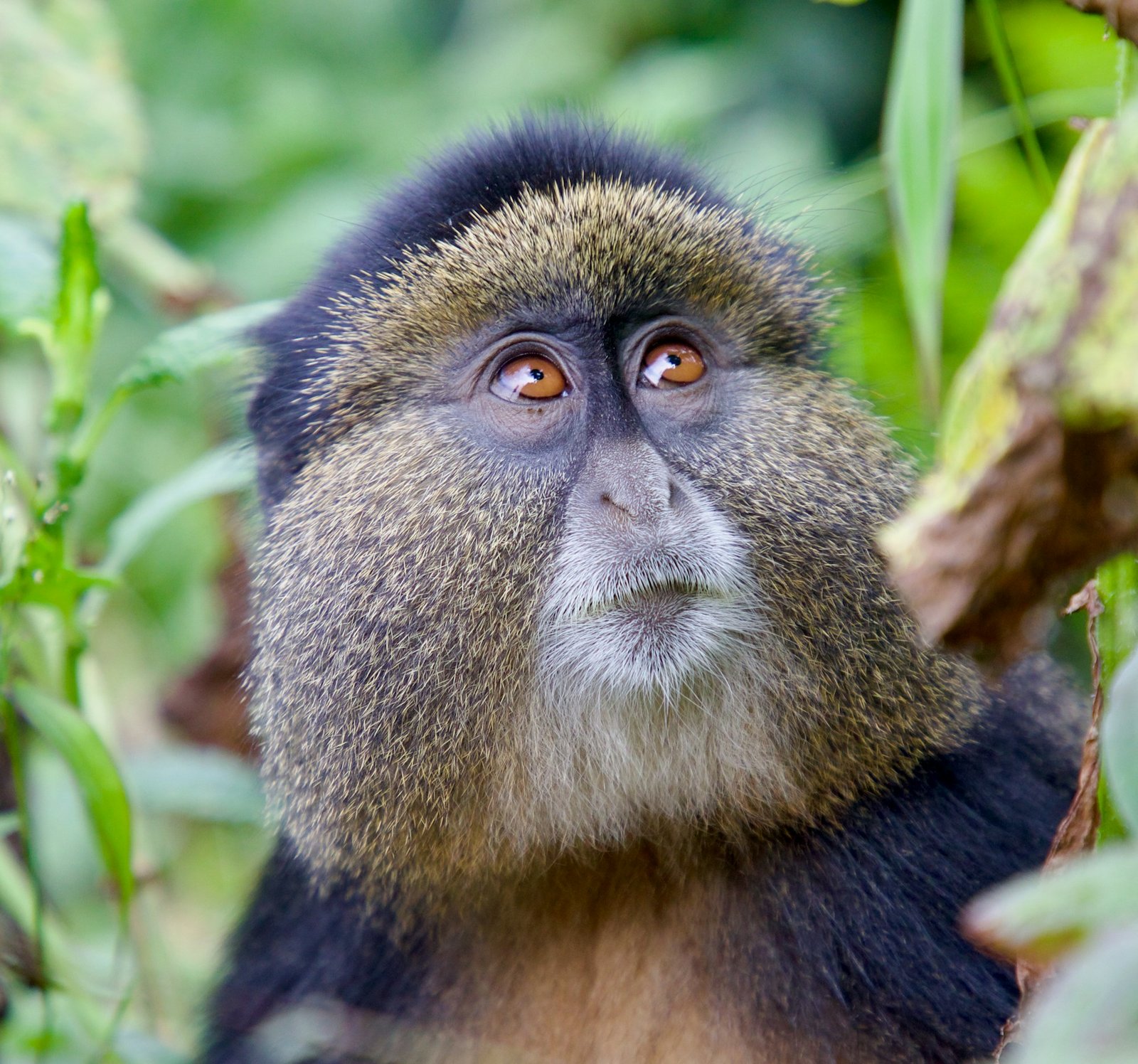
The golden monkeys found here are an endangered subspecies of blue monkey known scientifically as Cercopithecus mitis kandti. They are particularly associated with the bamboo forests of the Virunga Mountains.
These forests provide food and shelter for the monkeys, making them an important part of the tracking experience.
What You Should Arrange Beforehand
Before setting off, make sure you have:
- A confirmed golden monkey tracking permit.
- Transport to the park headquarters.
- Accommodation if you are staying overnight.
- Suitable hiking clothing and footwear.
- Drinking water and light snacks.
- A camera or smartphone for photographs.
- Any personal medication you may need.
If you are combining golden monkey tracking with gorilla trekking, you can also explore the services available through Rwanda Gorilla Trips when planning your wider wildlife holiday.
Arriving at the Park Headquarters
The tracking experience usually begins early in the morning at the park headquarters in Kinigi.
Visitors are generally expected to arrive before the morning briefing, with the reporting time commonly set at around 7:00 a.m. However, you should confirm the precise reporting instructions when booking because arrangements can change.
At the headquarters, visitors complete the necessary registration and permit checks before receiving information about the day’s activity.
The Morning Briefing
Before entering the forest, park officials and guides explain the important rules and procedures.
The briefing normally covers:
- The location and general characteristics of the golden monkeys.
- Expected walking conditions and possible terrain challenges.
- Safety precautions while inside the forest.
- Appropriate behaviour when observing wildlife.
- Photography guidelines.
- Instructions for following the guides and trackers.
This briefing is important because it helps visitors understand how to interact responsibly with wildlife.
The guides also explain what to do if the trail becomes difficult or if the group needs to move through thick vegetation.
Joining a Tracking Group
After the briefing, visitors are organised into tracking groups and assigned guides.
The number of visitors in each group is controlled to help minimise disturbance to the animals and make the experience manageable.
Your guide will provide additional information about the forest, the monkeys and the route you are likely to follow.
Meeting the Guides and Trackers
Experienced guides and trackers play an essential role in golden monkey tracking.
Trackers often enter the forest earlier to locate the monkey groups and communicate their approximate positions to the guides. Their knowledge of the animals’ movements makes it easier for visitors to find the troop.
The guides then lead visitors through the forest towards the location where the monkeys have been spotted.
This teamwork helps make the experience more organised while reducing unnecessary disturbance to the wildlife.
Entering the Bamboo Forest
The tracking group is ready, the actual forest adventure begins. Visitors follow their guides along established trails and natural paths through the vegetation.
The walking conditions can vary depending on where the monkeys are located. Some sections may be relatively easy, while others involve climbing slopes, walking over uneven ground or passing through dense bamboo vegetation.
What the Forest Looks Like
The bamboo forest is one of the most distinctive features of the golden monkey tracking experience.
Tall bamboo plants create a green environment where sunlight filters through the leaves. The forest floor may contain fallen branches, wet soil and thick vegetation.
As you walk, you may hear birds calling, leaves rustling and other natural sounds that make the experience feel different from an ordinary nature walk.
The surrounding Virunga landscape also offers beautiful scenery, particularly when the weather allows clear views of the mountains.
How Difficult Is the Walk?
Golden monkey tracking is generally considered less demanding than some mountain trekking activities, but it still involves walking through natural forest terrain.
The difficulty depends on several factors:
- Where the monkeys are located that morning.
- The condition of the forest trails.
- Recent rainfall and ground conditions.
- The visitor’s general fitness and walking ability.
Some groups may find the monkeys relatively close to the forest entrance, while others may need to walk farther.
Visitors should be prepared for changing conditions rather than assuming that the walk will always be short or easy.
Finding the Golden Monkeys
One of the most exciting moments comes when the trackers locate the golden monkey troop.
The guides lead the group towards the animals while explaining their behaviour and the surrounding environment.
Golden monkeys are active and often move quickly through the bamboo vegetation. They may jump between branches, search for food or interact with other members of their group.
What the Golden Monkeys Look Like
Golden monkeys are recognised by their distinctive golden-orange patches of fur, particularly around the back and sides of their bodies.
Their faces are generally dark, while their bodies have a mixture of darker fur and bright golden colouring.
They are social animals that live in groups and spend much of their time moving through the forest in search of food.
Visitors may observe them:
- Feeding on bamboo shoots and other vegetation.
- Jumping between bamboo stems.
- Grooming one another.
- Playing and interacting with other monkeys.
- Moving through the forest as a group.
- Caring for their young.
Their energetic behaviour makes them particularly interesting to observe and photograph.
Spending Time with the Golden Monkeys
Once the group reaches the monkeys, visitors are given an opportunity to observe them at close range under the supervision of their guides.
The standard viewing period is generally limited to one hour. This allows visitors to appreciate the animals while reducing the amount of time human activity affects their natural environment.
During this period, you can watch their behaviour, take photographs and learn more about their habitat.
Photography and Wildlife Observation
Golden monkeys can be entertaining subjects for photography because of their movement and colourful appearance.
However, capturing good photographs requires patience. The monkeys may move quickly, disappear behind bamboo stems or climb into areas where visibility is limited.
For better results:
- Keep your camera ready before reaching the troop.
- Use a suitable zoom lens if available.
- Avoid sudden movements.
- Follow the guide’s instructions.
- Do not use flash photography.
- Keep a respectful distance from the animals.
It is also worth putting your camera away occasionally and simply observing the monkeys. Their behaviour can be just as fascinating as the photographs you take.
Rules to Follow Around the Monkeys
Responsible wildlife observation helps protect both visitors and the animals.
Visitors should avoid:
- Feeding the monkeys.
- Touching or chasing them.
- Making loud noises.
- Blocking their movement.
- Throwing objects into the vegetation.
- Leaving litter in the forest.
- Ignoring instructions from the guides.
These rules help ensure that the monkeys remain undisturbed in their natural habitat.
Returning from the Forest
After the viewing period ends, the guide leads the group back towards the forest entrance.
The return journey may follow the same route or another suitable path, depending on the conditions and the guide’s instructions.
Once outside the forest, visitors can take a moment to rest, reflect on the experience and appreciate the surrounding scenery.
The tracking activity normally takes a few hours, although the total duration depends on how far the group must walk to find the monkeys and the conditions along the trail.
What Happens After Tracking?
After completing the activity, visitors can return to their accommodation or continue with other planned activities.
Some travellers choose to explore more of the region, while others combine golden monkey tracking with cultural experiences, nature walks or gorilla trekking.
For visitors interested in a shorter wildlife excursion, this one-day golden monkey trekking experience in Rwanda may be worth considering when comparing available travel arrangements.
What to Wear and Carry During the Experience
The right clothing and equipment can make a significant difference to your comfort in the forest.
Volcanoes National Park is a mountainous environment, and weather conditions can change during the day. Rain is possible even when the morning begins with clear skies.
Recommended Clothing
Consider wearing:
- Long trousers to protect your legs from vegetation.
- A long-sleeved shirt.
- A lightweight waterproof jacket.
- Comfortable hiking boots with good grip.
- Gardening or trekking gloves for protection against vegetation.
- A hat or cap.
Choose clothing that allows you to move comfortably without exposing too much skin to thorny plants and insects.
Essential Items to Carry
A small backpack can help you carry the items you need without making the walk unnecessarily difficult.
Useful items include:
- Drinking water.
- Light snacks.
- Camera and spare batteries.
- Waterproof bag for electronic equipment.
- Sunscreen.
- Insect repellent.
- Personal medication.
- A small first-aid kit.
Avoid carrying unnecessary valuables or heavy equipment that may make walking through the forest uncomfortable.
Is Golden Monkey Tracking Suitable for First-Time Visitors?
Golden monkey tracking can be an excellent introduction to wildlife experiences in Rwanda.
Unlike activities that require extensive mountain climbing, the tracking experience usually involves a guided walk through forest terrain. However, visitors should still be comfortable with moderate physical activity and uneven ground.
First-time visitors benefit from listening carefully to the guides, following the instructions provided during the briefing and preparing for possible changes in weather.
Frena Adventures can help visitors plan their experience, including transport and other safari arrangements, making it easier to organise a visit to the park.
Golden Monkey Tracking and Gorilla Trekking
Both activities take place in the Virunga region, but they offer different wildlife experiences.
Golden monkey tracking focuses on observing lively monkeys moving through bamboo forests. Gorilla trekking, on the other hand, involves searching for mountain gorilla families and observing their behaviour in their natural habitat.
Visitors with sufficient time and budget may consider including both experiences in one Rwanda safari.
The two activities provide different perspectives on the region’s wildlife and conservation efforts.
Why Choose a Guided Golden Monkey Tracking Experience?
A guided experience makes it easier to understand the forest environment and appreciate the wildlife.
Professional guides provide information about the monkeys, their habitat and the importance of protecting the ecosystems in which they live.
They also help visitors navigate the forest and follow the rules established by park authorities.
Frena Adventures can assist travellers in arranging a well-organised visit, helping them prepare for the experience and explore other destinations in Rwanda.
Choosing an organised experience can also make it easier to coordinate transport, accommodation and additional activities within a limited travel schedule.
Frequently Asked Questions About Golden Monkey Tracking in Rwanda
1. How long does golden monkey tracking take?
The duration varies depending on the location of the monkeys and the walking conditions. The actual encounter with the golden monkeys is generally limited to one hour, while the entire activity can take a few hours.
2. What time does golden monkey tracking begin?
Visitors generally report to the park headquarters in Kinigi early in the morning, commonly around 7:00 a.m. Always confirm the reporting time provided with your permit or tour operator.
3. Is golden monkey tracking difficult?
The activity is generally manageable for visitors with reasonable fitness. However, some routes involve steep slopes, muddy paths and thick vegetation, so suitable footwear and preparation are important.
4. Can children participate in golden monkey tracking?
The minimum age requirement is generally 12 years. Visitors should confirm the current age policy with the relevant park authorities before booking.
5. Can I take photographs of golden monkeys?
Yes. Photography is permitted, but visitors should avoid flash photography, sudden movements and behaviour that could disturb the animals.
6. What happens if it rains during tracking?
Tracking can take place in wet weather, depending on park conditions and safety instructions. A waterproof jacket and suitable hiking boots are therefore recommended.
7. Do I need a guide?
Yes. Golden monkey tracking is a guided activity. Park guides and trackers help locate the monkeys, lead visitors through the forest and explain the rules for responsible wildlife observation.
8. Can I combine golden monkey tracking with gorilla trekking?
Yes. Both activities can be included in a Rwanda wildlife itinerary. However, they require separate permits and should be arranged according to availability and your travel schedule.
Conclusion
Golden monkey tracking in Rwanda is an experience that combines wildlife observation, forest exploration and an opportunity to appreciate the natural beauty of the Virunga Mountains.
From the early morning briefing in Kinigi to the moment you encounter the golden monkeys moving through the bamboo forest, each stage offers something different. Understanding what to expect helps you prepare properly, follow conservation guidelines and enjoy the experience with confidence.
Whether it is your first visit to Rwanda or another addition to your African safari adventures, golden monkey tracking provides a memorable opportunity to connect with one of the region’s remarkable wildlife species.
With proper planning and support from Frena Adventures, you can make your visit to Volcanoes National Park a rewarding part of your Rwanda journey.